There's No Dock Called 'Done': Rethinking What Recovery Actually Is

We love a finish line in America. We love the weight-loss before-and-after, the graduation cap thrown in the air, the ribbon cut on a brand-new building. So it makes sense that when someone enters recovery — from addiction, from depression, from trauma — we instinctively look for the moment they're officially fixed.
The problem? That moment doesn't exist.
The Fantasy of Arrival
There's a story we tell ourselves about recovery that goes something like this: you struggle, you get help, you work hard, and then — eventually — you cross some invisible threshold and become a person who no longer has to think about any of it. Cured. Finished. Safely moored forever.
It's a comforting story. It's also a myth.
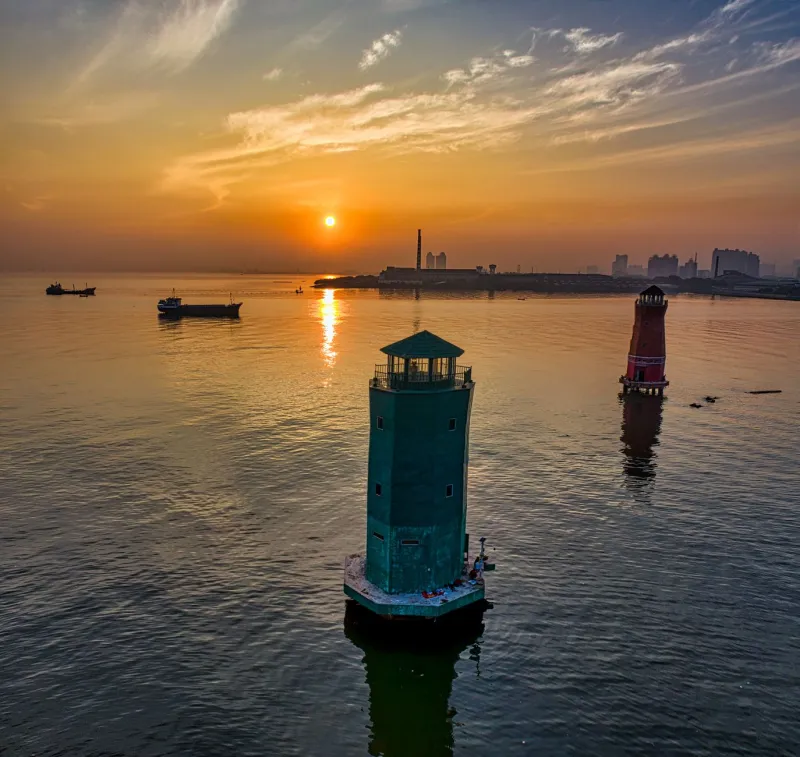
Anyone who's spent real time in recovery knows the truth: wellbeing isn't a place you reach and stay. It's a practice. It's checking the weather, adjusting your sails, reading the water. Some days are glassy and calm. Some days a squall rolls in out of nowhere. The skill isn't avoiding the water — it's learning to sail through it.
What Therapists Wish More People Understood
Ask clinicians about this and you'll hear a familiar frustration. Dr. Marisa Chen, a licensed counselor in Ohio who works with clients in substance use recovery, puts it plainly: "The people who struggle most in long-term recovery are often the ones who believed the marketing — that there's a finish line. When they have a hard week six months in, they don't think 'this is part of the process.' They think 'I've failed.'"
That belief — that a rough patch means you're back at square one — is where real damage happens. Shame spirals lead to isolation. Isolation leads to relapse. And all of it was triggered not by the setback itself, but by the expectation that setbacks shouldn't happen at all.
Research backs this up. Studies on relapse prevention consistently show that people who view lapses as learning experiences — rather than catastrophic failures — are significantly more likely to return to their recovery plan quickly. Therapists sometimes call this "abstinence violation effect" work: dismantling the all-or-nothing thinking that turns one hard night into a lost year.
Embracing imperfection, in other words, isn't lowering the bar. It's what keeps people in the game.
Redefining Success on the Water
So if "fixed" isn't the goal, what is?
Try this: the goal is navigation. It's building a toolkit sturdy enough to handle whatever weather comes — a support network you actually text, a therapist who knows your patterns, sleep you protect like it matters (because it does), and the hard-won self-knowledge of what your personal storm clouds look like on the horizon.
Success in recovery might look like:
- Noticing a craving early and having a plan before it becomes a wave
- Asking for help on day two of a dark stretch instead of day thirty
- Talking about your mental health without whispering, even when it's awkward
- Having a hard week and staying in the boat anyway
None of these make for a dramatic movie montage. All of them are the actual work.
The Freedom in Never Being Done
Here's the reframe that changes everything: if there's no finish line, then there's no clock ticking down your worth. You're not behind. You're not failing at recovery because it's still hard after two years or ten. You're a sailor, not a statue.
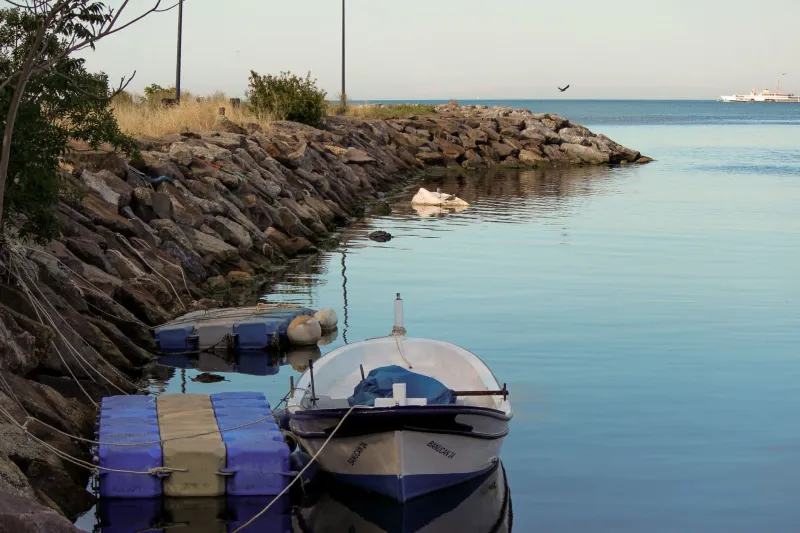
This is also why the harbor metaphor matters to us at Harbour of Hope. A harbor isn't where boats go to retire. It's where they come to repair, resupply, and rest — before heading back out. The water is the point. The community on the dock, the people who wave you in and ask how it went — that's the point too.
If You're Tired of Chasing "Cured"
A few things worth holding onto:
- Progress isn't linear, and nobody's is. The Instagram version of healing is a highlight reel. Yours doesn't need to compete.
- Maintenance is an achievement. The unglamorous daily work of staying steady deserves more credit than it gets.
- Setbacks are data, not verdicts. A rough patch tells you something needs adjusting — more support, different tools, a call to your therapist. It doesn't tell you who you are.
- You're allowed to keep growing. Recovery isn't just avoiding the old life; it's building a new one, and that project is never finished for anyone, in or out of treatment.
Dry land, as the saying goes, is a myth — at least the version where you're permanently safe from every storm. But that's not bad news. It means you can stop waiting to arrive and start appreciating how far you've already come.
You were never meant to dock and stay. You were meant to keep sailing — with better charts, a stronger crew, and a harbor that's always there when you need it.