Scared to Be Seen: How to Find the Courage to Ask for Help When It Feels Impossible
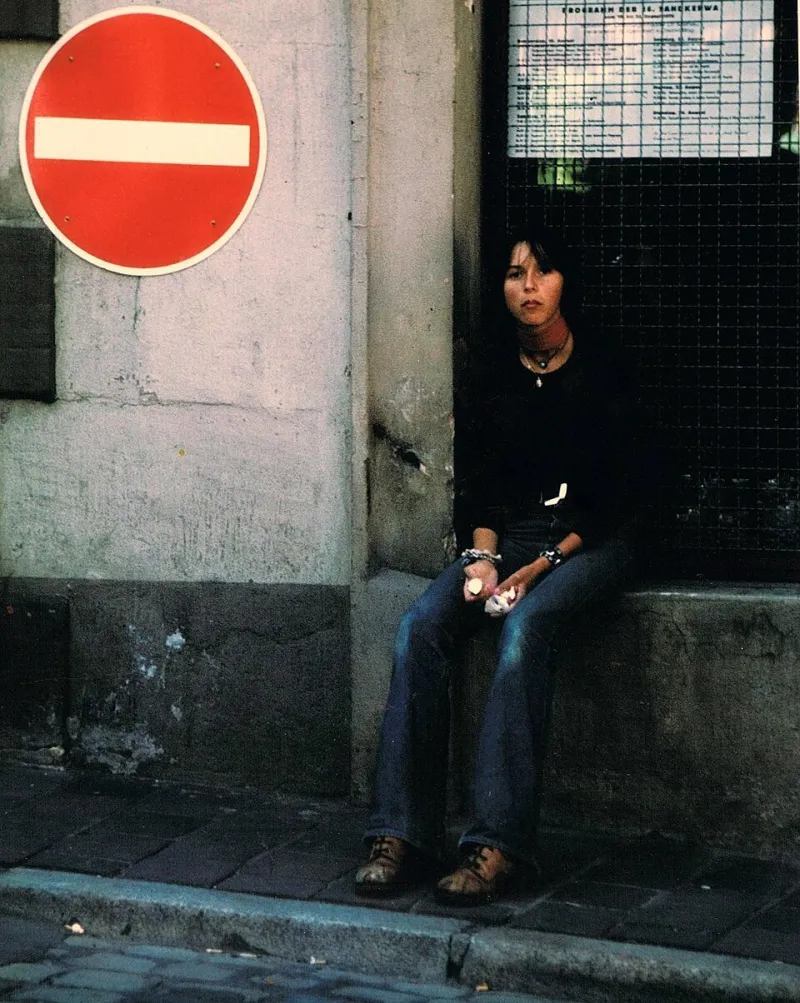
Photo: Stiller Beobachter from Ansbach, Germany, CC BY 2.0, via Wikimedia Commons
There's a specific kind of dread that shows up right before you decide to tell someone the truth about what you're going through. Maybe it's the moment before you call a helpline. Maybe it's the drive to your first support group meeting, when you sit in the parking lot for twenty minutes wondering if you can just go home. Maybe it's opening your mouth to tell a family member about your diagnosis and feeling your throat close up before a single word comes out.
That dread has a name. It's the fear of being seen — and it's one of the most underestimated obstacles in any health or recovery journey.
What makes it so hard isn't weakness. It's actually a very logical response to a world that hasn't always been safe for people who struggle.
Why Vulnerability Feels Like a Trap
Most of us grew up absorbing messages — from family, school, social media, or just the culture around us — that struggling means failing. That needing help is something to hide. That the person who holds it together is the one worth respecting.
So when something goes wrong with your health, your mental state, or your relationship with substances, the instinct isn't to reach out. The instinct is to manage it quietly, to shrink it down, to keep it contained so nobody has to see it.
The problem is that containment has limits. And the longer you spend managing something alone, the more exhausting and isolating it becomes.
Psychologists call this the "visibility paradox" — the situation where the thing you most need (connection, support, community) requires you to do the thing that feels most dangerous (letting people see what's really happening). You need to be witnessed in order to heal, but being witnessed feels like the most unsafe thing imaginable.
This isn't irrational. For many people, past experiences have confirmed that opening up leads to judgment, abandonment, or shame. Those fears are rooted in real events. Acknowledging that is important before we talk about moving through them.
What Staying Hidden Actually Costs
Here's the thing about hiding: it feels like protection, but it functions like a slow drain.
When you're carrying a health struggle in secret, a significant portion of your daily energy goes toward maintenance — making sure nobody notices, keeping the story straight, performing okayness when you feel anything but. That's energy that could be going toward actual healing.
Beyond the energy cost, there's the loneliness. And loneliness, as researchers have increasingly documented, is genuinely harmful to physical and mental health. It's not just uncomfortable — it's a real barrier to recovery.
Think about what a harbor actually does. It doesn't protect ships by keeping them invisible. It makes them visible to the right people — the ones who can resupply them, repair them, help them navigate. A ship that hides from the harbor doesn't stay safe. It stays stuck.
Your community — whether that's a support group, a therapist, a trusted friend, or a treatment program — can only help what they can see.
The Smaller Door
One of the most common mistakes people make when trying to be more open about their health is thinking it has to happen all at once. That you have to walk into a room, announce everything, and hand over your full story before you've decided whether the room is safe.
You don't.
Vulnerability doesn't have to be a flood. It can be a drip. A test. A small disclosure that lets you see how someone responds before you go further.
Telling one person — even just "I've been struggling lately and I'm trying to figure out next steps" — is a form of being seen. Showing up to one support group meeting without saying a word is still showing up. Calling a warmline and just listening is still reaching toward connection.
The smaller door is still a door.
Practical Strategies for Taking That First Step
Choose your first witness carefully. You don't have to tell everyone at once. Think about one person in your life who has shown up without judgment — someone who has held a hard conversation before without making it about themselves. Start there.
Write it down first. If saying the words out loud feels impossible, try writing them. A letter you never send, a journal entry, a text you draft and delete a few times before actually sending. Writing can help you find the shape of what you're trying to say before you have to say it out loud.
Use structured settings. Support groups, therapy, and peer recovery programs exist specifically to be low-stakes environments for honesty. The whole point of those spaces is that everyone in the room has their own version of the same fear. You're not uniquely exposed there — you're among people who understand.
Prepare for imperfect responses. Even people who love you may say something clumsy when you share something hard. That doesn't mean you made a mistake by sharing. It means they're human and probably scared too. Try not to let one awkward response close the door permanently.
Give yourself credit for showing up. Sitting in that parking lot for twenty minutes and then walking through the door anyway? That counts. It counts enormously. Recovery culture sometimes makes it seem like the only meaningful moments are the dramatic ones, but the quiet acts of courage — the small decisions to be honest — are where real change begins.
Being Seen Isn't the Same as Being Judged
One of the most powerful shifts you can make in this process is separating the act of being seen from the assumption of judgment. We've been conditioned to believe they go together — that visibility invites criticism. But in communities built around genuine support, visibility invites something else entirely: recognition, relief, and the quiet but profound experience of not being alone.
At Harbour of Hope, we believe that healing almost never happens in isolation. The people who find their way through health challenges, addiction, and mental health crises almost always point to a moment when they let someone else in. Not because it was easy. Because it was necessary.
You don't have to be fearless to take that step. You just have to take it scared.
That's enough. That's actually more than enough.
If you're looking for a place to start, explore the community resources and peer support options available through Harbour of Hope. You don't have to walk in with all the answers — just walk in.